
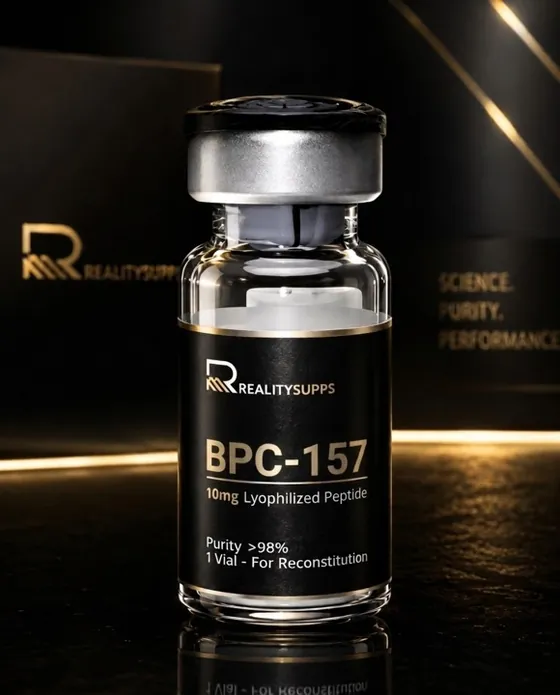
BPC‑157
- PurityHow much of the powder is the actual compound, shown as a percent.≥98% HPLCA lab test that measures how pure a sample is., per lot
- TestingIndependent lab, every lotThe batch a vial was made in. The number is printed on the vial.
- StorageSealed, −20 °C
Ships same day before 2 PM ET · Free US shipping over $150 · Shipping & returns →
Studied in tendon‑fibroblast culture and animal models for growth‑factor and angiogenesis signaling.
What does this mean? (plain English)
This is a small lab-made peptideA short chain of amino acids, the building blocks of proteins. based on a protein first found in stomach fluid. In cell studies, tendon cells treated with it moved and spread out faster and survived chemical stress better, though they did not multiply faster. In animal studies, it was linked to more tiny new blood vessels and a faster return of blood flow to injured muscle. Most of this work comes from a few lab groups and has not been confirmed in people. Research use only.
Every lot is independently tested. Your order's certificate comes with your lot number — look it up anytime on the Certificates page.
What it is
This is a small lab-made peptideA short chain of amino acids, the building blocks of proteins. based on a protein first found in stomach fluid. In cell studies, tendon cells treated with it moved and spread out faster and survived chemical stress better, though they did not multiply faster. In animal studies, it was linked to more tiny new blood vessels and a faster return of blood flow to injured muscle. Most of this work comes from a few lab groups and has not been confirmed in people. Research use only.
A synthetic 15-amino-acid peptide whose sequence is part of body protection compound, a protein isolated from human gastric juice. In rat tendon-fibroblast culture it accelerated explant outgrowth, cell migration and spreading and improved survival under H₂O₂ stress without directly changing proliferation, with dose-dependent FAK–paxillin phosphorylation (Chang 2011). In endothelial tube-formation and chick-membrane assays and a rat hind-limb ischemia model it increased vessel density and blood-flow recovery, associated with VEGFR2 up-regulation and VEGFR2–Akt–eNOS activation (Hsieh 2017). Reviews describe consistently positive small-animal injury-model results from a small number of groups, not yet confirmed in humans (Gwyer 2019).
Evidence level
Preclinical: cell and animal studies
Regulatory note
Not an approved drug. Sold here for laboratory research only.
Published research has examined
- Animal tendon and muscle injury models (Chang 2011; Seiwerth 2018)
- Growth‑factor receptorA spot on a cell where a molecule can attach. and nitric‑oxide pathway signaling in vitro
- Angiogenesis markers (VEGFR2) in cell culture
Specification
| Form | LyophilizedFreeze-dried into a dry powder. powder, 3 mL glass vial, crimp cap |
| Purity | ≥98% by HPLC, per lot |
| Storage | Sealed at −20 °C, protect from light |
| Certificate | Per lot, see Certificates |
Sources
Related compounds in Tissue & matrix
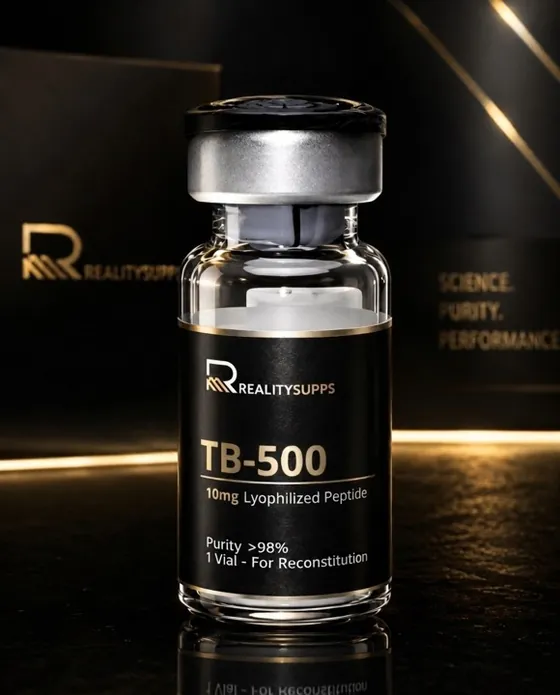
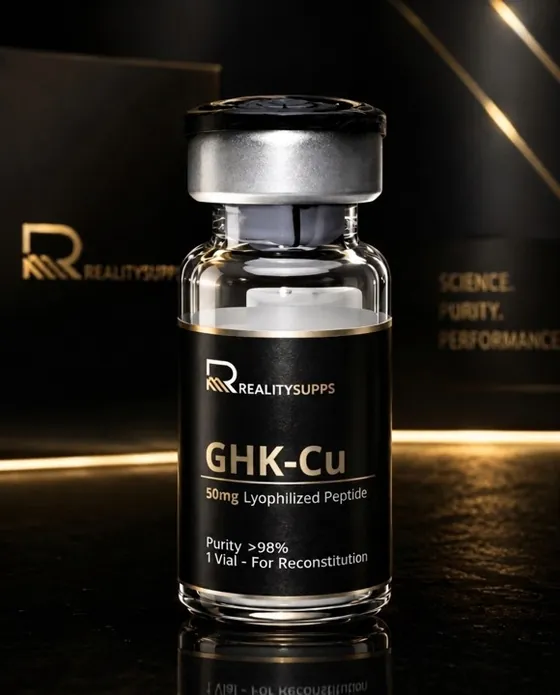
Research topics: Muscle development and physical performance research · Recovery and tissue-repair research
Research use only. Not for human or animal consumption. Notes summarize published in‑vitro and animal research and are not claims about effects in humans or animals.